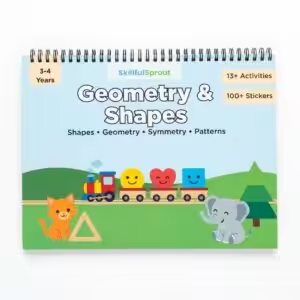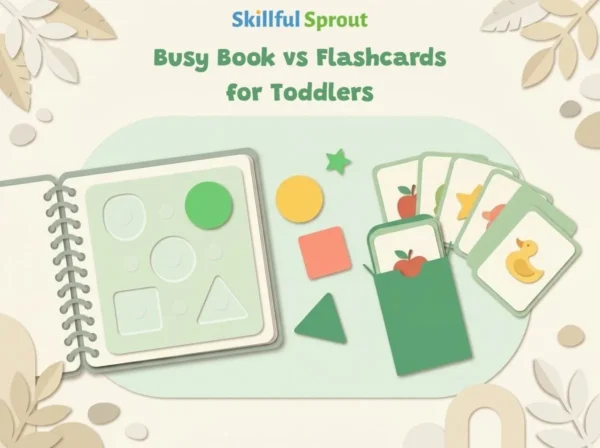
Choosing between a busy book and a flashcard deck usually happens at the shelf, where both promise school readiness and only one survives day three of real life. This comparison looks at how busy books and flashcards hold a toddler’s attention, what child-development research says about each, and what both cost in dirhams, so your pick matches your child instead of the price tag.
Busy book vs flashcards: quick comparison
The short version comes first, then the detail behind every row.
| What matters | Busy book | Flashcard deck |
|---|---|---|
| Best ages | 3–7 | 2–5 |
| Session length | 15–20 minutes | 3–5 minutes |
| Skills trained | Matching, focus, fine motor | Visual recognition, recall |
| Hands-on pieces | ✅ Velcro, tokens, labels | ❌ Cards only |
| Adult involvement | Optional once demonstrated | Adult-led every round |
| Typical Price | $2.49 – $6.99 (instant printable PDF) | $8–$18 (physical box set) |
| Replay value after mastery | ✅ Activities reset each session | ❌ Child recalls the deck |
Flashcards take the price and portability rows. Busy books take the rows that matter for a longer stretch of childhood: a wider age range, hands-on pieces, and play that starts fresh every time the binder closes.
What is a busy book?
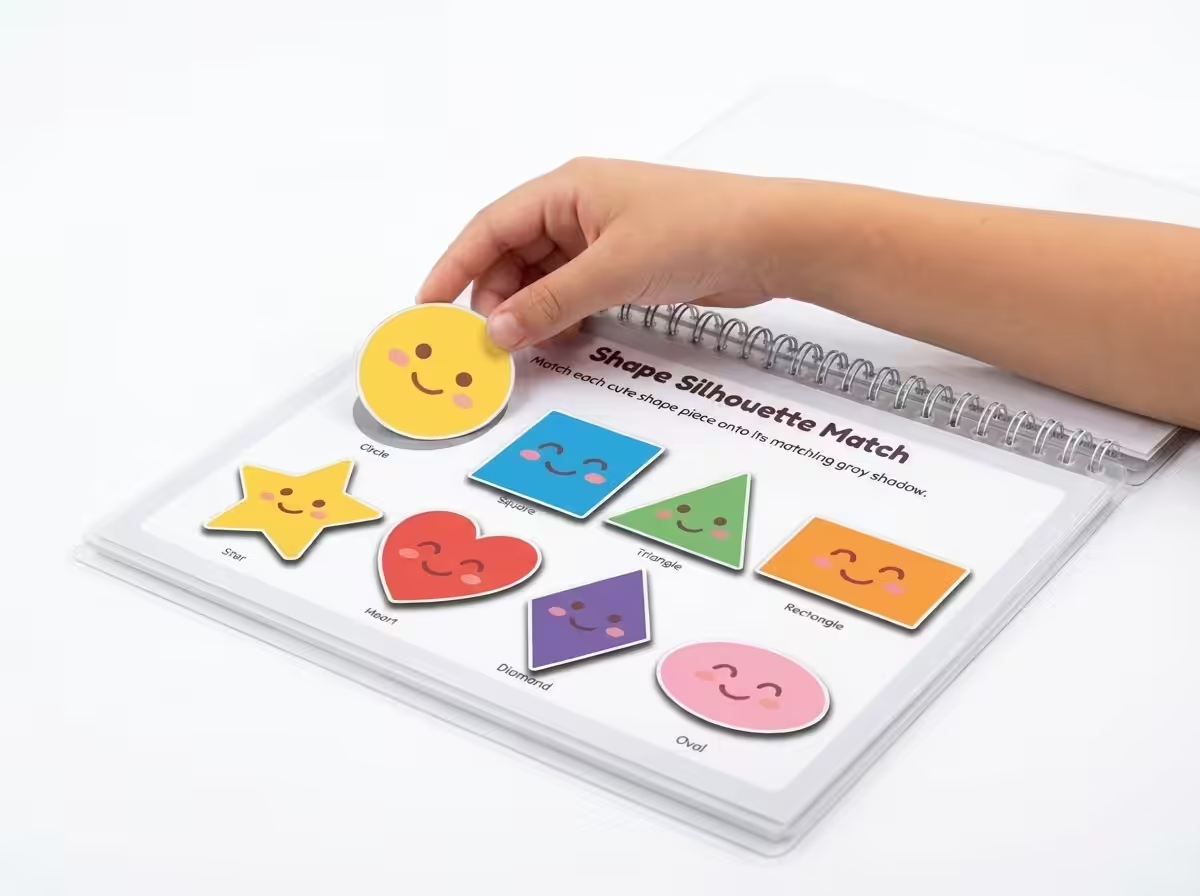
A busy book is a reusable activity binder with matching pieces a child places, lifts, and pulls. Skillful Sprout printable busy books are delivered instantly as high-resolution PDFs (starting from just $2.49), built for ages 2 to 7. The child works through a page, checks the answer against the picture, and starts again tomorrow. Nothing in a busy book gets used up.
What are flashcards?
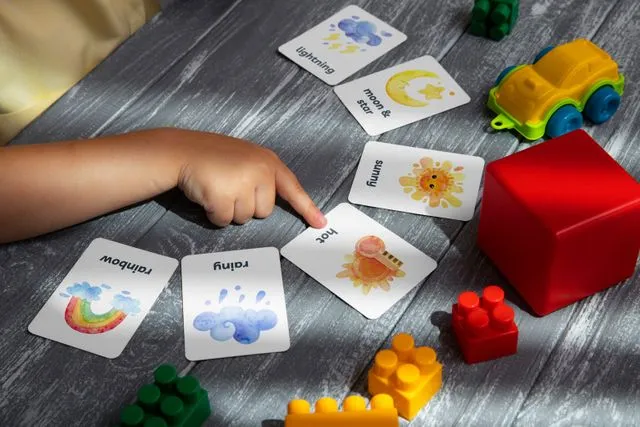
Flashcards are printed cards, usually 50 to 220 in a box, each showing one image, letter, or number. A parent holds up a card, the child names it, and the deck moves to the next card. Flashcards suit recognition practice in bursts of three to five minutes, and most commercial flashcard packs cost between $8 and $18.
Where flashcards win
Flashcards beat busy books on three practical fronts.
- Entry point. A basic set of cards might seem quick to grab off a shelf.
- Portability. A box slides into a bag for flights, car rides, and clinic waits.
- Speed. Three minutes and the round is over, which fits a two-year-old’s interest window.
Flashcards also do one job cleanly: rapid visual recall of letters, numbers, shapes, and colours. A child who laughs and shouts “blue circle!” at a quick round is getting exactly that game, and nothing more is required from the cards.
Where busy books win
Busy books answer the question flashcards cannot: what does my child do alone for fifteen minutes? Pieces get placed, checked, and placed again, so the activity repeats without going stale the way a memorized deck does. Pressing small pieces into place also builds the hand strength children later use for pencils, and the National Association for the Education of Young Children lists fine-motor development among the capacities play builds.
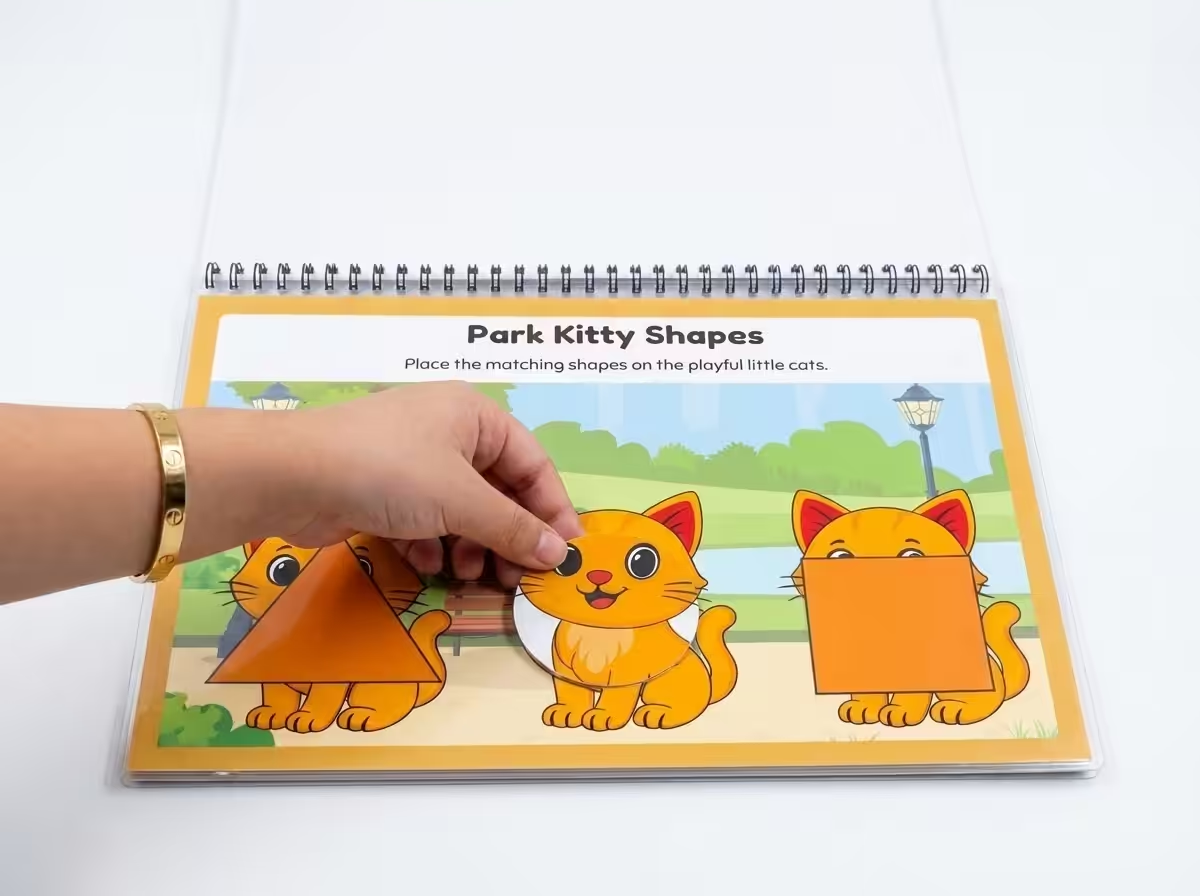
One binder covers ages 3 to 7 instead of a two-year window, laminated pages wipe clean after spills, and our Geometry Busy Book runs 16 such activities in one spine. For a parent, the practical win is independence: the child starts without you and finishes without you.
What does research say about flashcards and hands-on play for toddlers?
The American Academy of Pediatrics devoted its 2018 policy statement The Power of Play to this exact tension. The report names flash cards among the rote methods early education should move away from and concludes that learning through play beats drills and passive memorization for long-term academic success.
NAEYC speaks directly to parents in Toddlers and Reading: Describe but Don’t Drill: flash cards are not an effective way for toddlers to build language and literacy skills, because rote memorization is a lower-level skill than real conversation. The same source notes rote memorization can make sense for older children, which is the honest line here. A quick letter-recall game at four works as a game. Drilling an 18-month-old does not build a reader.
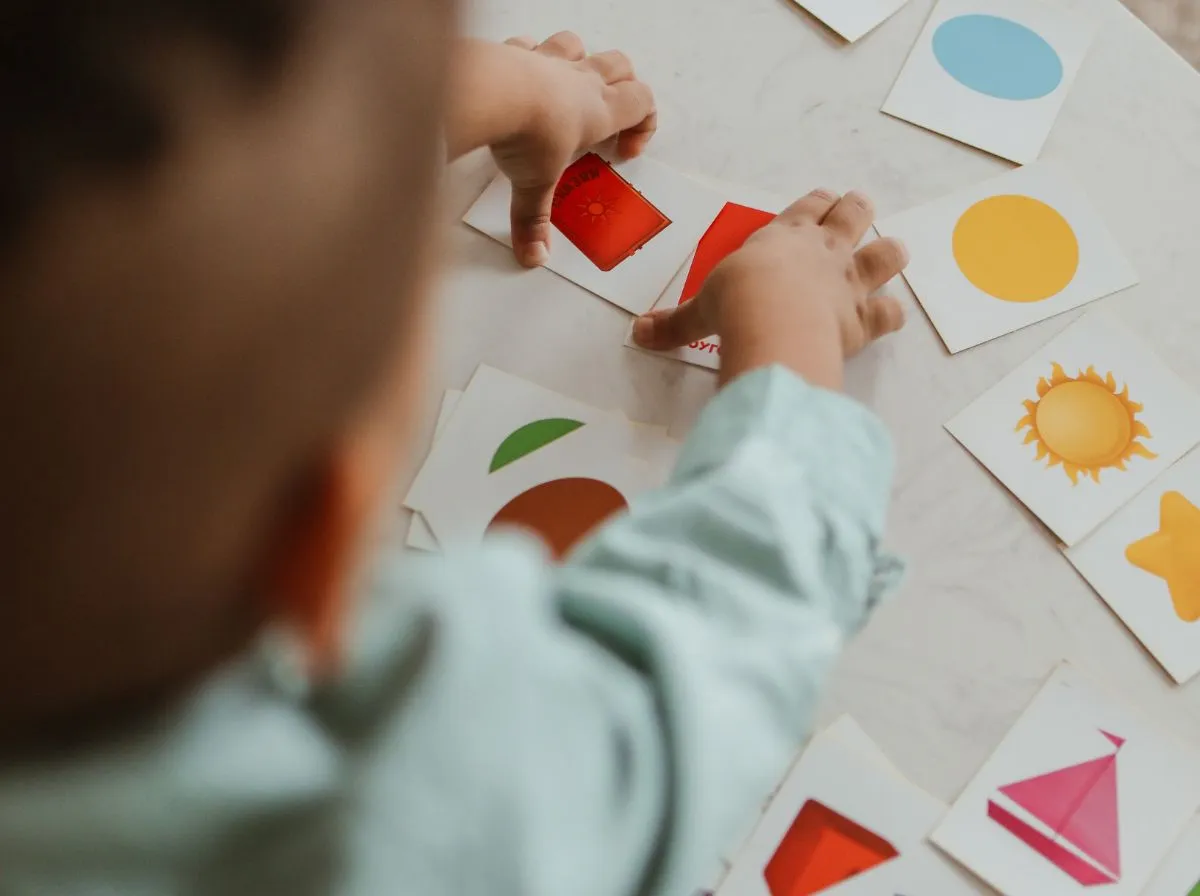
Guided play research summarized by NAEYC in The Case of Brain Science and Guided Play found children learned new vocabulary better through play-based repetition than through picture-card recall drills.
None of this makes flashcards useless. Flashcards work when an adult sits beside the child, talks about the pictures, and stops while the round is still fun. The research rejects the drill, not the conversation around the card.
The real cost: busy books vs flashcards
Prices checked on Amazon.ae in September 2026:
| Tool | Typical Price | Typical session |
|---|---|---|
| Basic flashcard pack (letters, numbers, shapes, colours) | $10–$12 | 3–5 minutes |
| Branded flashcard set | $15–$22 | 3–5 minutes |
| Printed and bound busy book | .49 | 15–20 minutes |
Run the usage yourself, because the sticker price settles nothing. A $15 flashcard pack used 30 times costs $0.50 per session. A $2.49 to $6.99 printable busy book played twice a week for a year (around 100 uses) costs just pennies per session — and drops even further because you can reprint pages anytime for younger siblings. The true cost of any learning activity is determined by how often your child actually returns to it.
Can you use flashcards and busy books together?
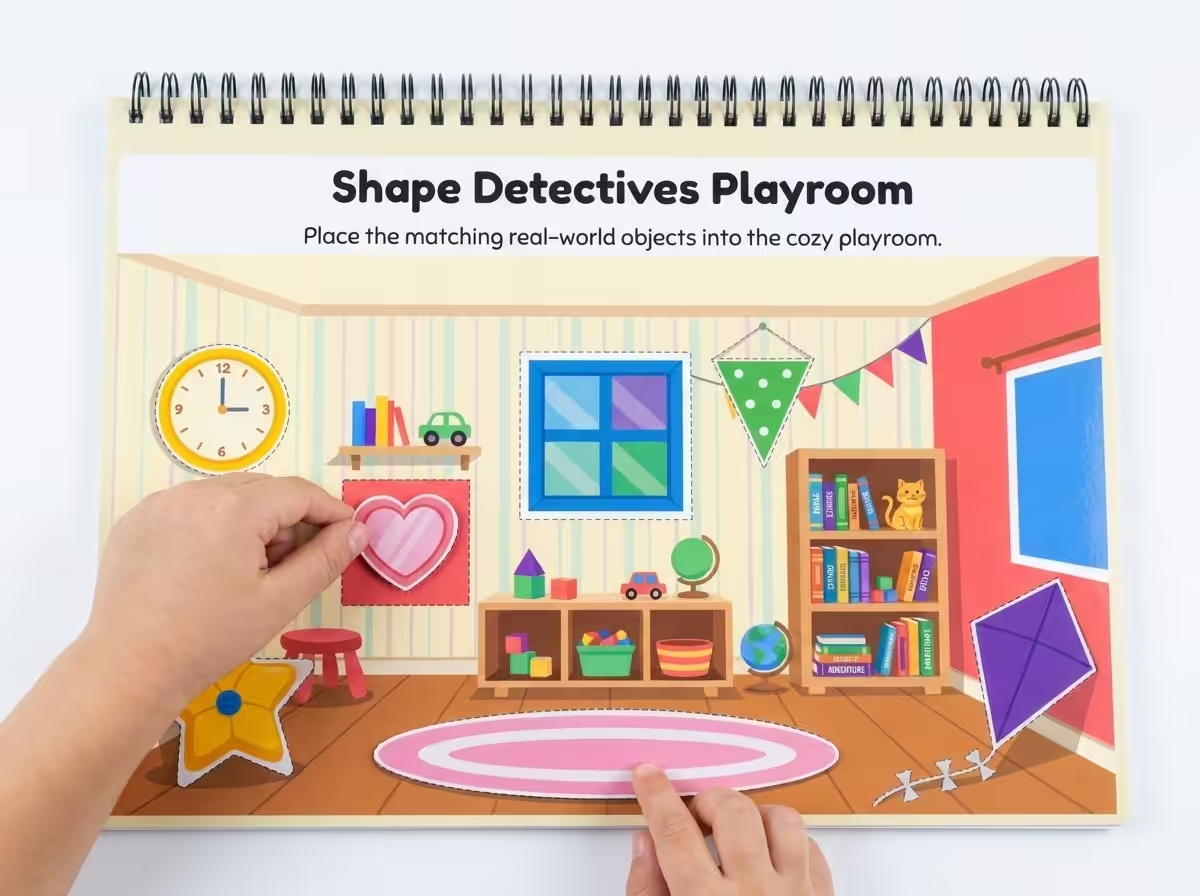
I use flashcards to introduce something new and the busy book to let it stick. Last month we were working on shapes. I ran through flashcards with her at the table, naming each one, matching them to objects around the room. “Where’s the circle?” “The clock is a circle.” She got it fast.
Then I pulled out the Geometry Busy Book and let her work through the matching pages on her own. No quiz, no me hovering. She placed the pieces, checked the outlines, and stayed with it. The shape concept went from something I was teaching to something she was playing with.
That progression is what flashcards alone can’t do. Cards start the conversation. The busy book gives the child somewhere to take it.
Busy Book vs Flashcards: Which Is Right for You?
The verdict depends on two facts: your child’s age and how long they sit before the activity is abandoned. Match those two, and the choice below gets simple.
Choose a busy book if:
- Your child is three or older and stays with matching play for 15-minute stretches
- You want one purchase that covers ages 3 to 7 and survives a second child
- You need screen-free independent play while you work, cook, or answer emails
Choose flashcards if:
- Your child is under three and enjoys 3-minute naming games
- You want a quick, disposable set of cards for quick rote recognition drill
- You need something flat in a bag for flights and clinic waits
Busy book vs flashcards: frequently asked questions
Are flashcards good for toddlers?
Flashcards can teach toddlers to recognize letters and pictures inside short, adult-led games. The American Academy of Pediatrics and NAEYC both warn that rote drilling builds little language skill in children under three. Use flashcards as a five-minute naming warm-up, and treat conversation and play as the main activity.
How long should a toddler use a busy book in one sitting?
Most toddlers aged three to five stay with a busy book for 15 to 20 minutes per sitting. Start with one or two pages at age three and let the sessions grow. A busy book your child puts away and returns to tomorrow is working; one that sits untouched for a week was bought at the wrong difficulty.
How do you introduce flashcards to a 2-year-old?
Five cards, five minutes, one round, repeated:
- Choose five cards showing objects your child already knows.
- Name each card yourself before your toddler points to one.
- Stop while the game is still fun; five cards beat fifty.
- Keep the same five cards for a week before swapping the deck.
Can I make a busy book at home?
A homemade felt busy book takes a weekend of cutting, sewing, and gluing. A printed and bound busy book costs .49 and plays the same day. Make your own if you enjoy craft projects; buy one if you want the activity running by dinner. Handmade kits and printables each have a honest place, and the right answer is the one your week can actually support.
If you want to try the hands-on route before committing, the Shape Van Activity prints and plays free in minutes, and every printed binder lives in our busy books collection.